
Canadian Real Estate on the Verge of Transformation
December 4, 2025
Introduction
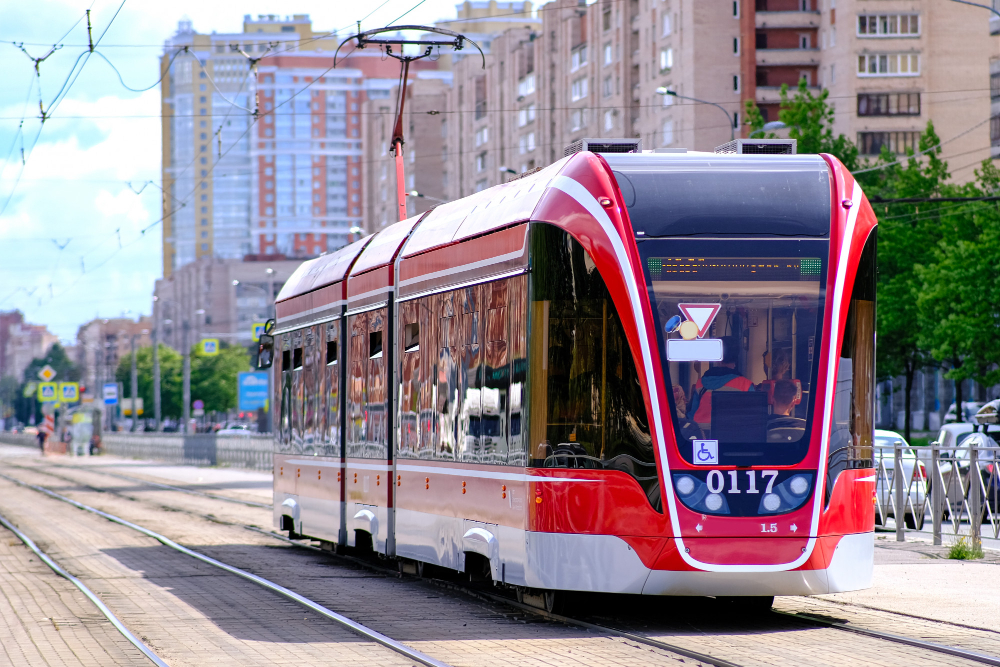
Canada's real estate market is undergoing significant changes. With historical patterns and new transit developments influencing the landscape, this transformation promises to be far-reaching. In this blog, we will delve into the cyclical nature of Canadian real estate and examine how transit patterns are shaping its future.
A Historical Overview
The Canadian real estate market has always been cyclical, with periods of rapid growth followed by corrections. Historically, factors such as economic shifts, population growth, and government policies have played significant roles in shaping the market. In the past decade, we've seen substantial increases in property values, particularly in major cities like Toronto and Vancouver.
During the 2008 financial crisis, Canada experienced a downturn, but the market rebounded quickly due to strong economic fundamentals and prudent lending practices. Since then, the demand for housing has continued to rise, driven by factors such as immigration, urbanization, and low-interest rates.
The Role of Transit Patterns
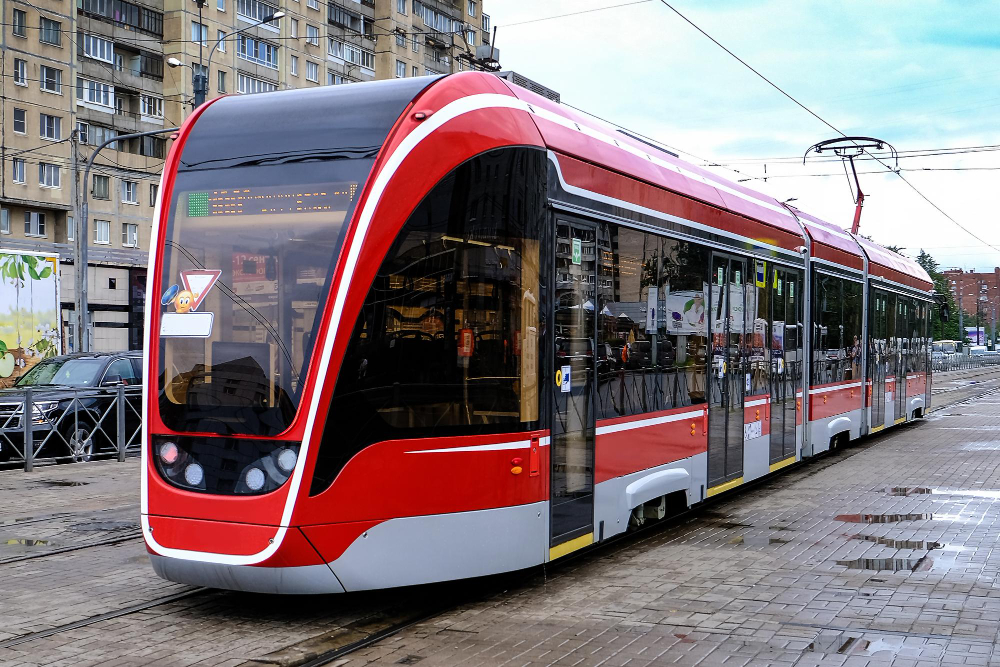
Transit patterns have always played a critical role in shaping real estate markets. The development of new transit routes and improvements in public transportation can significantly increase the accessibility and desirability of certain areas. In Canada, several major transit projects are poised to reshape the real estate landscape.
- The expansion of the Toronto subway system with new lines and extensions.
- Vancouver's SkyTrain expansion, connecting more suburbs to the urban core.
- Montreal’s REM project, set to be one of the largest public transit expansions in North America.
These projects are expected to increase property values in areas that are currently underserved by public transportation. Improved transit accessibility will undoubtedly make these areas more attractive to prospective buyers and investors.
Impacts on Urban and Suburban Areas
Urban areas will see the most immediate impact from these transit projects. Enhanced connectivity is likely to lead to higher property values and increased development. However, suburban areas are also set to benefit significantly. As commuting becomes easier, we can expect a shift in demand towards more affordable suburban properties.
“As transportation networks expand, we foresee a greater balance between urban and suburban living.
This shift could address some of the affordability issues plaguing major cities. More affordable housing options in the suburbs, coupled with efficient transit, will provide viable alternatives for those priced out of urban centers.
Future Trends to Watch
Looking ahead, several trends are worth watching. The integration of smart city technologies in urban planning and the increasing importance of sustainability initiatives are likely to influence real estate development. Furthermore, government policies aimed at curbing speculative investments and enhancing housing affordability will also play critical roles.
- Smart city initiatives incorporating IoT and AI.
- Policies promoting green building standards.
- Stronger regulatory frameworks against real estate speculation.
Conclusion
The Canadian real estate market is on the cusp of a transformation, driven by historical cycles and new transit developments. As we navigate this changing landscape, it is important to consider the impacts on both urban and suburban areas, and keep an eye on emerging trends. By understanding these dynamics, we can better anticipate and adapt to the future of Canadian real estate.
Comment (0)
Leave a comment
Your email address will not be published. Required fields are marked *
GET IN TOUCH
Have a question or need assistance? Reach out to me and I'll get back to you as soon as possible.
Contact Me
I will respond at the earliest opportunity.


RE/MAX Canada Corporate Office, 639 Queen Street West, 6th Floor
Information is deemed reliable but not guaranteed. Sourced in part from the Toronto Regional Real Estate Board (TRREB). Provided solely for consumers with a bona fide interest in the purchase, sale, or lease of real estate. Unauthorized use, reproduction, or distribution is strictly prohibited.